Can you believe it's almost July? Where did June even go? The summer heat is definitely making itself felt. I especially feel for everyone in Europe, where the heat seems to be hitting particularly hard. (And if you've ever been to Paris, you probably understand why the Seine isn't exactly where most people dream of cooling off.)
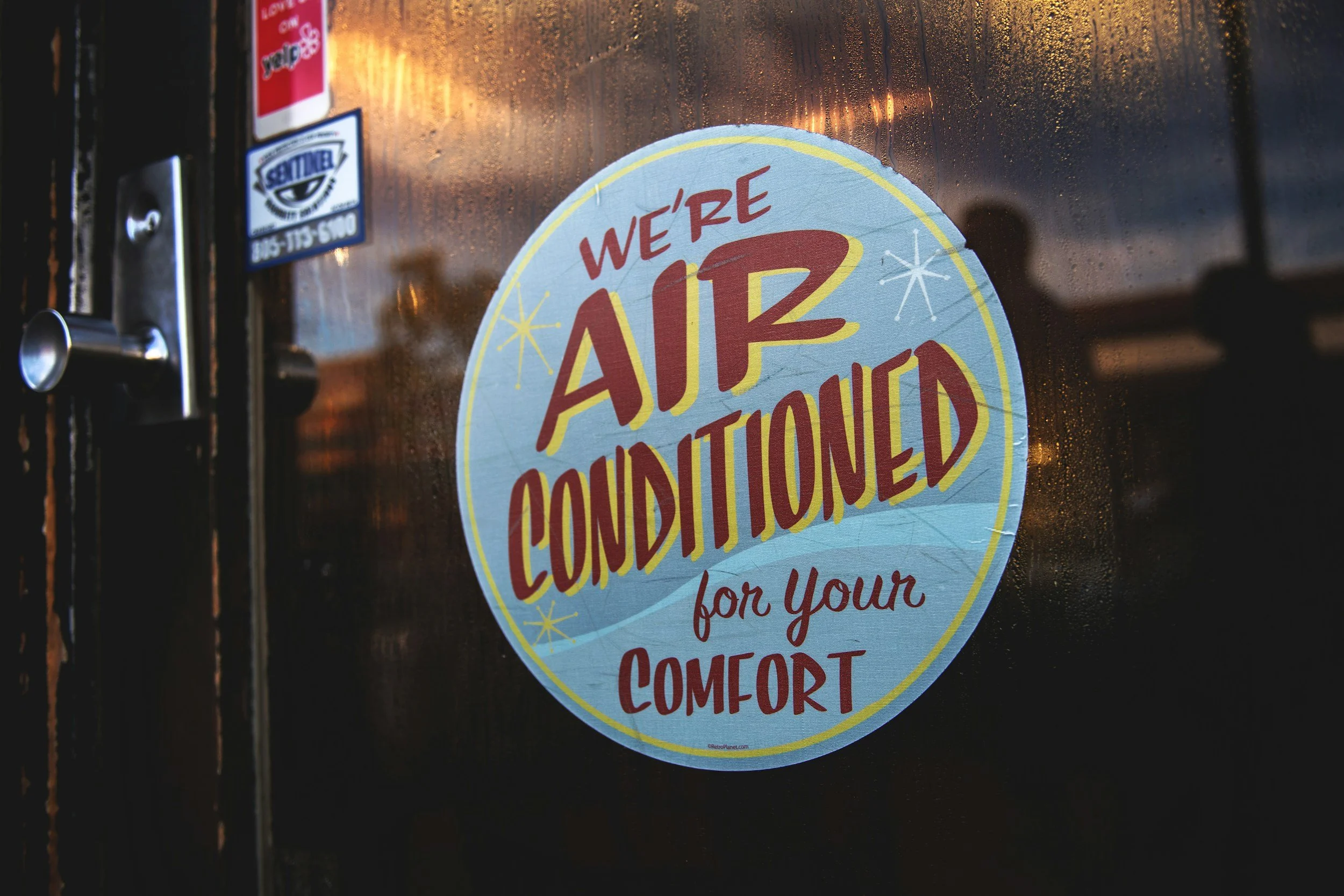
I've also been smiling at all the social media clips of Europeans attending the World Cup here in the U.S. and celebrating some of America's greatest inventions: air conditioning and ranch dressing! I think we're going to be just as grateful for the AC next week, when that same heat wave heads our way and temperatures are expected to soar past 100°F.
Take a few minutes to prepare – it's the perfect excuse to stock your freezer with some frozen treats. Pro tip: Whole Foods has all of its ice cream 50% off this week. My daughter and I definitely took advantage this morning.
Now, on to some major news in higher ed!
BIGGEST COLLEGE-RELATED NEWS OF THE WEEK
MAJOR FEDERAL STUDENT LOAN CHANGES STARTING JULY 1
This is probably the biggest higher education story of the year so far. Beginning July 1, major changes to the federal student loan system take effect that will impact both current borrowers and families planning to borrow in the future. I’ll highlight some of the biggest changes here, but please take some time to review any loans you already have and look over this helpful breakdown to see how you might be impacted if you plan to borrow soon.
One of the primary goals of the new law is to simplify the federal loan system. Existing Income-Based Repayment (IBR) borrowers can breathe a sigh of relief, as that option will remain available. However, the SAVE Plan is ending, and the Pay As You Earn (PAYE) and Income-Contingent Repayment (ICR) plans will be phased out by June 30, 2028. New borrowers will generally have just two repayment options: a new income-based Repayment Assistance Plan (RAP) or a Tiered Standard Repayment Plan.
For future borrowers, some of the most significant changes involve loan limits. One of the biggest changes for many families is that Parent PLUS loans – which previously could cover up to the full cost of attendance – will now be capped at $20,000 per student per year, with a lifetime limit of $65,000 per student. For some of the highest price-tag schools, this will not cover tuition. Graduate borrowing is also changing substantially: Grad PLUS loans are ending for new borrowers, and new caps are being introduced for graduate and professional students that will, in many cases, not cover the full cost of tuition.
Bottom line: if you expect to borrow for college or graduate school, now is a good time to review your financing strategy and understand exactly how these new rules could affect your family.
FLORIDA MOVES TOWARD RESTRICTING ENROLLMENT FOR SOME UNDOCUMENTED STUDENTS
Florida may soon become one of a small number of states to restrict access to public universities for undocumented students. This week, Florida’s Board of Governors advanced a proposal that would prevent undocumented students from enrolling at public universities that do not admit all academically qualified applicants, although the policy is not yet final and would not take effect immediately. Supporters argue the proposal reflects broader state priorities around immigration and public resources, while critics worry about what this could mean for students who have spent most of their lives in Florida and expect college to remain an option. This also comes shortly after the state ended in-state tuition access for undocumented students, making affordability a growing concern for some families. It’s a good reminder that state policies can have a huge impact on higher education and that those changes can happen quickly. So when building a college list, it’s a good idea to pay attention not only to admissions requirements but also to state policies that could impact your dream schools.
EARLY DECISION AT UM … AND NOT EVERYONE IS HAPPY ABOUT IT
The University of Michigan is moving forward with its new early decision (ED) admissions option despite some significant pushback from faculty. Earlier this spring, the University Senate asked the administration to pause the rollout and discuss whether binding admissions align with the university's values. But U-M decided to move ahead with the plan anyway; for the second cycle in a row, students can apply early decision. While some are grateful that students who already know U-M is their top choice can demonstrate that commitment earlier, especially as many top schools enroll more ED applicants, others worry that these kinds of binding programs make it harder for families to compare financial aid before making a final decision. As U-M Chemistry Professor Neil Marsh points out: "Applying early decision is off-putting for those who depend on financial aid…If you can’t attend because of financial hardship, you wouldn’t apply." What I find most interesting is that the university moved forward despite significant faculty opposition – a reminder that admissions policies often involve balancing institutional priorities, faculty perspectives, student access, and financial realities all at once.
NAVAL ACADEMY BRINGS BACK SHORT HAIR STANDARD FOR WOMEN
Young women hoping to attend the U.S. Naval Academy should plan to say goodbye to long hair; for the incoming class of 2030, female students will need to chop their hair to the chin line (or shorter) to ensure that “male and female plebes share the same visible symbol of their commitment to naval service and to the team.” It’s a return to an older regulation that hasn’t been enforced since 2018, but it does make sense – and serves as a good reminder that military colleges often have very different standards than traditional campuses.
FEWER SUPPLEMENTAL ESSAYS? NOT SO FAST!
There has definitely been some media attention about a few universities dropping their supplemental essay requirements for the 2026-2027 cycle. Schools like University of Georgia and Tulane will not be requiring these additional essays, often arguing that the Common App and other application materials are sufficient. Before students celebrate, it's worth putting this into perspective: this isn't really a broad trend. Plus, supplemental essays are one of the best opportunities for students to prove their fit and showcase not only interest but also personality. And most of the schools to which our students are applying still require them – which is why we use our own Four Story Approach to supplemental essays. We have been busy preparing our database of the official prompts so students can get started ASAP!

BEST ARTICLES OF THE WEEK
A recent piece in Forbes looks at something we’ve all seen creeping into admissions over the last few years: the idea that students feel like they need a “hook” to stand out, that they must be exceptional to earn a seat at their top-choice school. Worse, students feel as though every activity, interest, or achievement only matters if it serves a specific strategic purpose, and so they choose activities not out of any real pleasure or desire but simply because they assume that those activities will help them stand out or will look good to admissions. The article points out that this mentality produces a kind of treadmill effect, where students feel like they’re constantly trying to optimize every part of their profile without ever feeling like it’s enough – and it’s terrible for their mental health.
From a counseling perspective, this comes up a lot. Ironically, however, the best antidote to this “hook” mentality is almost the opposite of what many families assume. We encourage students to start with interests they already have and to build on them naturally, rather than trying to invent an impressive-looking persona. Sometimes this involves thinking entrepreneurially by turning something they already enjoy into a small business. Students who take this approach often end up with applications that are both more authentic and more compelling, and they spend high school actually enjoying what they’re doing instead of checking boxes. Camp Sarraka is a great example. What started as two brothers organizing neighborhood sports games grew into a thriving Arlington business serving hundreds of campers each summer, and now they are featured in the Washington Business Journal this week!
On another note, I've been spending the past several weeks meeting with rising seniors to finalize their college lists, and one pattern I've noticed is that many of our students have highly selective public universities like UVA, Virginia Tech, or the University of Maryland on their lists and instinctively look to less selective out-of-state flagship universities for their "safety schools." While there can certainly be value in adding an out-of-state flagship to the list, I also encourage families to keep in mind the excellent regional public universities right in their own backyard. As Washington Monthly points out, these colleges are doing much of the heavy lifting in higher education, yet they’re too often overlooked. Are schools like James Madison University and Christopher Newport University likely to replace UVA as a straight-A student's first choice? Probably not. But they do offer exceptional undergraduate experiences, and their honors programs can provide smaller classes, priority registration, close faculty relationships, and other benefits that make them every bit as attractive as an out-of-state safety school, particularly when you factor in the substantial savings that come with paying in-state tuition.
Speaking of college costs, an opinion piece in The New York Times makes a surprisingly optimistic argument about taxes on elite college endowments. The author argues that although recent changes to endowment taxation may have been intended to affect certain elite institutions, they could also encourage colleges to expand financial aid for lower-income students, making those schools more affordable and diverse. Princeton, for example, is expanding financial aid and waiving tuition for many families earning up to $250,000, which may also reduce some of its endowment tax burden. The University of Chicago, Yale, and Swarthmore have also recently announced similar financial aid initiatives. It’s still unclear how these changes will benefit middle class families in practice, but they could end up making some of the highest-priced schools worth a second look. So don’t rule out elite schools out of principle – look closely to see what kinds of income-based tuition support they actually offer.
OFFICE HAPPENINGS
As many colleges begin releasing their supplemental essay prompts, our coaches are getting students ready to adapt their generics into more school-specific responses. And honestly, for many students, these essays are some of the most fun to write because they provide an opportunity to highlight parts of their personality and interests that don't always come through elsewhere in the application. They also give students a chance to explain why they genuinely want to attend a particular college – and the details really matter. Now is a great time to schedule a campus visit (even a virtual one) and start gathering the kinds of firsthand observations that can make these essays feel more personal, specific, and compelling.
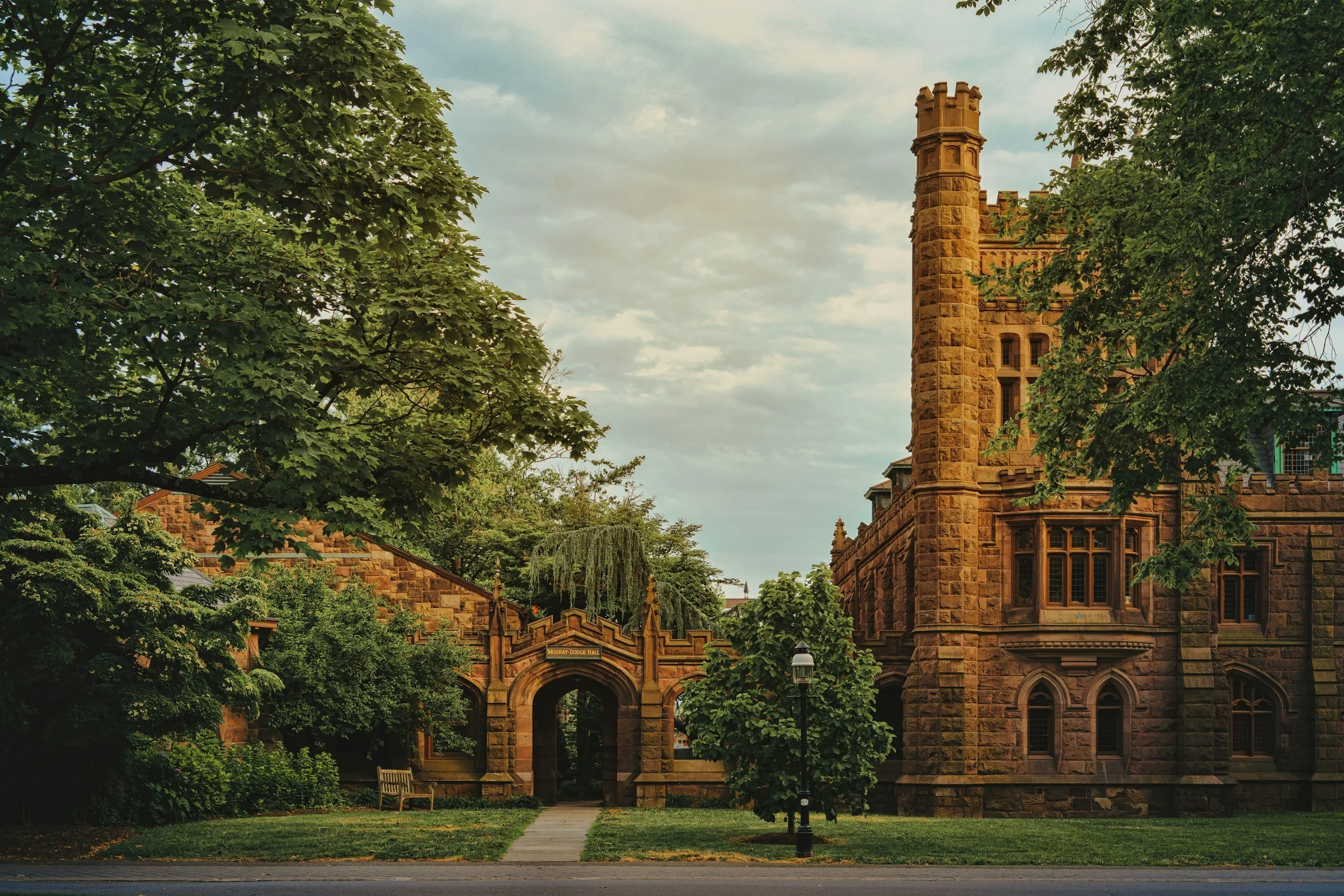
The heat wave is coming, so try and stay cool and enjoy these last days of June!
READ MORE ABOUT SUPPLEMENTAL ESSAYS BELOW: