
Well, everyone, June has arrived! And it definitely brought some welcome improvements in the weather. After almost a week of endless rain – even if we needed it – the sun finally came back to the D.C. area last weekend. So it's time to open the windows, let in some fresh air, and channel some of those positive vibes into the real work of college application essays. Okay, maybe a little less exciting, but I know it is much easier for me to work when I can feel a nice breeze coming through an open window and am able to take my lunch outside in the sunlight!
Now, it’s time to check out what’s been happening in higher ed this week:

BIGGEST COLLEGE-RELATED NEWS OF THE WEEK
UPDATES TO ADMISSION PLANS
At WashU, prospective students now have the option to apply Early Action, which doesn’t require accepted students to enroll (versus Early Decision, which is binding, and is still in place). Since around 60% of WashU undergrads are admitted through ED, this is a really good option if you aren’t ready to fully commit but still want an earlier decision timeline. They’ve also added some improved ways to show demonstrated interest, from email lists and campus tours to Bear Chats with current students.
If you’ve been thinking about the Sunshine State and the top-rated public universities in the country, you might have already heard that the University of Florida is now offering Early Decision, with a deadline of October 15. This is a binding option, so UF needs to be your top choice, but with their steadily-increasing enrollment and retention numbers over the past five years, we think it’s about time they offer ED … and if you’re not fully committed, they still offer Early Action with the same application deadline. Florida State University just announced this past week that they, too, will now be offering Early Decision, with the same deadline of October 15. Get those grandparent waivers in early if you qualify!
On the other end of the weather spectrum, Syracuse has now introduced Early Action! This is great news. Students can now receive an earlier decision while keeping their options open, which should make Syracuse an even more attractive choice.
And lastly, this may not come as a surprise, because it was announced a few months ago: University of Southern California will also be launching an Early Decision option after a test-run with the business program last year.
SMALL COLLEGES FORWARDING MAJOR TAX SAVINGS TO FUTURE STUDENTS
Thanks to a 2025 tax break on endowments for many wealthy small schools – think pricey liberal arts colleges like Swarthmore and Wellesley – applicants may soon reap the benefits of those savings. Unlike larger research universities and state schools, smaller liberal arts colleges often rely on endowments to provide much-needed financial aid; now, several colleges will be passing millions of dollars in savings on to their students. From new scholarships and full financial aid packages to increases in minimum wage for student workers, a handful of high-end and high-value colleges across the country will be making things a little easier on families who might not otherwise be able to afford them. So if a small liberal arts college is your vibe but you’ve been worrying about tuition, keep an eye out for new funding opportunities that may be launching this year.
UNIVERSITY OF CALIFORNIA PROFESSORS WANT TO BRING BACK THE SAT!
Many high school students might appreciate applying to UC schools without having to submit SAT scores, but over 1,100 faculty in science and math are urging the UC system to bring back standardized testing requirements. And most cite one specific reason: poor math skills. UC professors have observed that nearly one-third of undergrads in first-year calculus are performing well below expectations. In an open letter including signatures of math department chairs and several renowned scholars at UC Berkeley, faculty argue that many students’ math abilities are at a middle-school level, requiring instructors to teach remedial skills instead of more advanced content. While the removal of test scores was intended to make the application process more fair, faculty argue that one unintended consequence has been underprepared students. It remains uncertain what the UC admissions board will decide, but the debate suggests that we might start to see a larger movement back towards standardized testing requirements at most major colleges and universities.
LOSING LOANS FOR LOW-PAYING MAJORS?
The Education Department is preparing to deny loans for degree programs in fields that typically don’t pay very well. While several higher education groups are lobbying against these new regulations, the present proposal is part of a long-running conversation about college debt: should the government support programs that leave students unable to repay their loans? There is some logic behind the proposal, but many private, religious, and trade schools are pushing to revise the metrics, arguing that the current standards could lead to drastic declines in enrollment. The current proposal would compare earnings of recent graduates in low-paying fields to those of workers who only hold a high school diploma and deny loans to programs that don’t lead to higher salaries. However, Jason Altmire, chief executive of Career Education Colleges and Universities, wants changes that take into account regional differences, tip-based compensation, and gender disparities in pay. According to Altmire: “Without these modifications, the new rule endangers the viability of many high-quality programs serving students from disadvantaged populations.”

BEST ARTICLES OF THE WEEK
Last summer saw many universities facing the current administration’s enforcement of anti-DEI laws and policies, and many schools are still coping with public outcry against language mentioning race, gender, or other ideas considered to be divisive. In Alabama, Auburn University has responded to state law by asking faculty to sign forms certifying the legality of their courses. After a major public outcry that resulted in the removal of a faculty member, Auburn is pushing to prove its adherence to DEI legislation; instructors at the university, however, are hesitant to fully comply with the university’s new method of evaluation.
For some faculty, it’s not about the politics of the issue but rather the ambiguity and vagueness of what might be deemed “divisive.” It also becomes a question of academic freedom. As geosciences professor Stephani Shephard argued in The Chronicle of Higher Education: “in terms of feeling like you are free to do your job – following scientific rigor, academic rigor, all of that — instead you have to think about the political ramifications of what you’re doing.” These types of issues are likely to continue throughout the present administration, making it increasingly important for students to understand the policies, culture, and academic environment of the schools they're adding to their lists.
For many students, one of the primary goals of college is preparing for a successful career after graduation. But in the era of AI, a lot of teens and young adults worry that the kinds of entry-level jobs they’ll need after graduation are quickly disappearing. And to some extent, this is true – but not for the reasons you think. While there is definitely potential for generative AI to change the nature of the job market, what’s had a much greater impact, according to NPR, has been the pivot to remote work after the pandemic. If you were looking forward to wearing pajama pants from your home office, think again. Employers worry those kinds of jobs prevent meaningful feedback from peers, so the kinds of simple and routine tasks that have generally been given to younger hires are now going to older and experienced applicants. Unemployment rates remain pretty rough for recent college grads, so we’d definitely encourage looking for positions that might be a bit more challenging… and require you to show up to a physical office (sorry).
For something a little more positive than the previous stories, Town & Country highlighted a service helping prospective students get the inside scoop on some of their top choice colleges. The program is called Campuswink, and, unlike official tours that are basically scripts touting the strengths of the university, the service pairs families with enrolled students who will offer more authentic feedback about everything from Greek life to LGBT culture. Pro tip: this might also be a really helpful service for fine-tuning your “Why this college?” essays, which tend to require some pretty specific details about the schools on your list! Campuswink isn’t free, but the services are fairly priced, and most of what you pay goes to the guides themselves. Creator Jacqueline Biscotti ensures that “safeguards are in place” for privacy protection, and none of the 137-and-growing colleges have any complaints. So whether you’d like a more honest campus tour or even just a video call with a student who will be a bit more up front than a standard tour guide, Campuswink might be just what you’re looking for!
OFFICE HAPPENINGS
The first supplemental essay prompt of the season was just released – big thanks to our favorite Spiders over at the University of Richmond! (although I guess being someone’s favorite spider is not a particularly high bar…). More on that later this week!
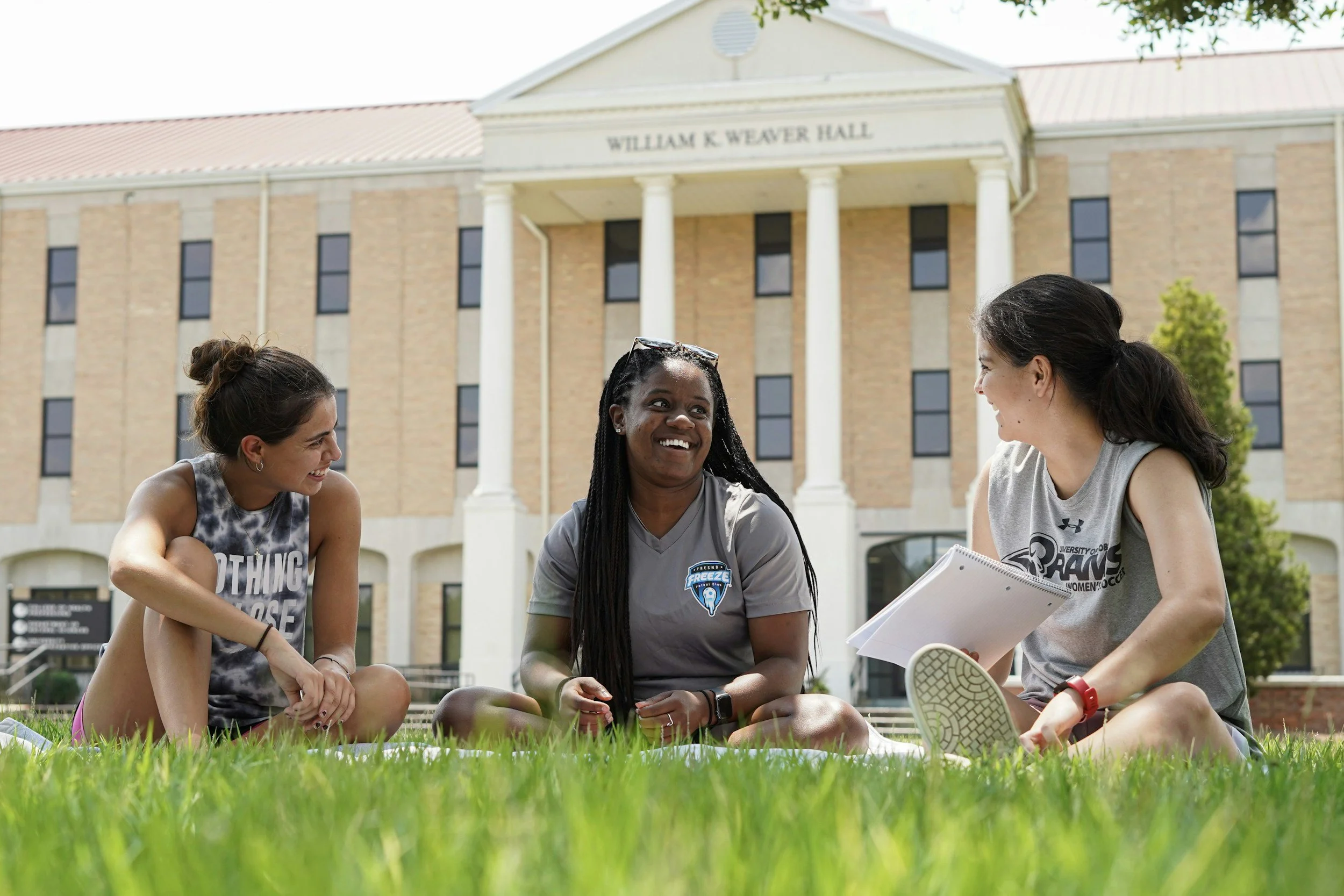
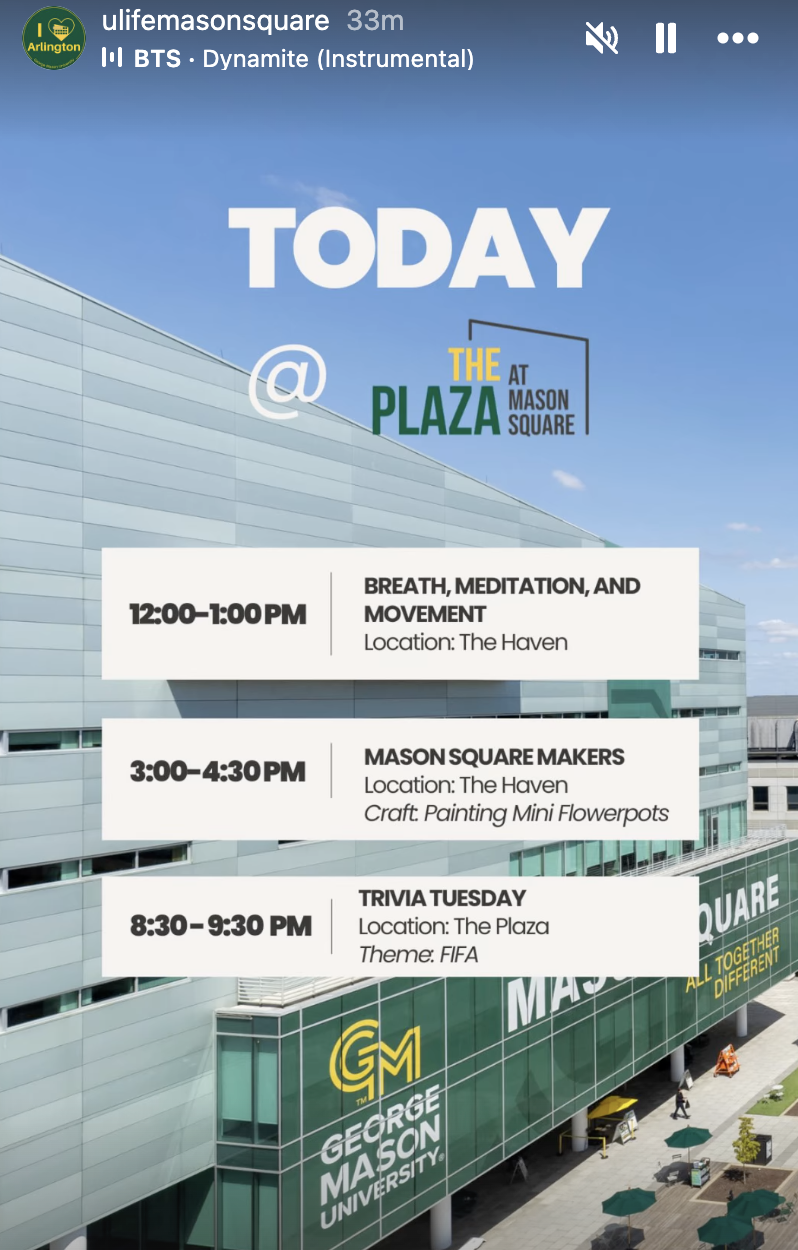
getting back on track with the weekly updates - check out some recent ones below:

Ending